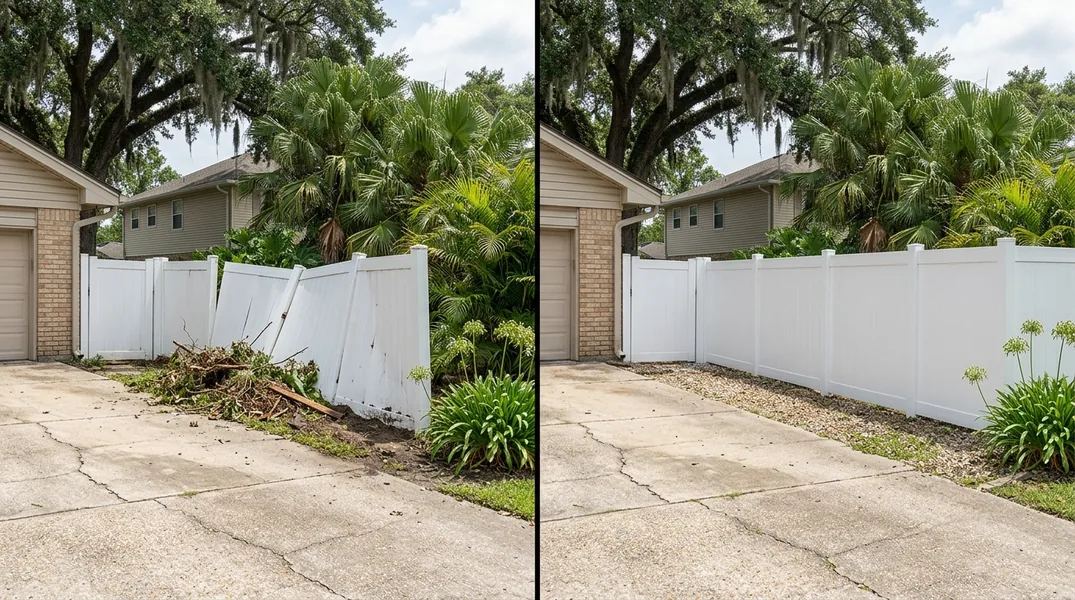
Understanding Property Lines and Fence Placement in New Orleans
The New Orleans neighborhoods of the Garden District and Uptown showcase some of the most beautiful residential architecture in America, with stately homes, mature landscaping, and established fence lines that have defined properties for generations. However, the natural beauty of these areas, particularly the sprawling live oak trees with their powerful root systems, creates unique challenges when homeowners need to install or repair fences along property boundaries.
Before you plan any fence installation, understanding exactly where your property line sits is critical. Many homeowners assume they know their boundary lines, but property surveys often reveal surprising truths. The property line is the legal boundary between your land and your neighbor's land, and it is usually established by a professional surveyor and documented in your property deed. In New Orleans, where properties were originally plotted centuries ago, some boundary lines have shifted or become unclear over time. Getting a professional survey before any fence work is the smartest first step, especially when dealing with mature trees or complex lot configurations.
Who Pays for Fences Between Neighbors: Legal Responsibility
One of the most common questions homeowners ask is who pays for a fence between neighbors. The answer depends on several factors, including local ordinances, whether the fence is new or replacing an existing structure, and whether both neighbors agree on the installation. In Louisiana, there is no universal "good neighbor fence law" that automatically splits costs, so understanding your local regulations is essential.
Generally speaking, if you want to build a new fence entirely on your property and your neighbor does not want one, you typically bear the full cost. However, if the fence sits on the property line itself, the situation becomes more complex. Some jurisdictions follow a principle where both neighbors benefit from a boundary fence, and costs should be shared. The best approach is always to communicate with your neighbor first and try to reach a written agreement about cost-sharing and fence specifications before any work begins. If your neighbor wants to contribute to a fence installation, make sure you document that agreement in writing to avoid disputes later. When you're ready to move forward with professional installation, contact New Orleans Fence Company for a free estimate that outlines all costs and options.
Fence on Property Line: Legal Considerations and Neighbor Fence Law
When a fence sits directly on the property line, it becomes a shared boundary structure, which carries specific legal implications. Most property line fences are considered "spite fences" or "boundary fences," and Louisiana law treats them differently than fences built entirely on one person's land. A fence on property line typically means that both neighbors have a stake in its maintenance and appearance, though not necessarily its cost.
Before installing a fence on the property line, check with your local city or parish government to understand any setback requirements or zoning restrictions. New Orleans has specific ordinances about fence height, materials, and placement that vary by neighborhood and zoning district. Some historic neighborhoods, including parts of the Garden District and Uptown, have additional restrictions to preserve the character of the area. A professional fence installer familiar with local regulations can help you navigate these requirements. Additionally, many municipalities require written consent from the neighboring property owner before a fence can be placed on the shared boundary line. This protects both homeowners and prevents costly disputes down the road.
The Good Neighbor Fence Concept: Communication and Cooperation
The term "good neighbor fence" refers to the principle that neighbors should communicate openly and work together when installing boundary fences. This is less a legal mandate and more a practical and ethical approach to property ownership. A good neighbor fence process typically involves discussing the project with your neighbor, sharing plans and materials, agreeing on cost-sharing if appropriate, and ensuring both parties are satisfied with the final result.
In practice, a good neighbor fence relationship starts with a conversation. Explain what you want to do, why you want to do it, and invite your neighbor's input. Maybe they have concerns about drainage, sight lines, or the aesthetic appearance of the fence. Perhaps they have experience with a local contractor or have ideas about materials that would work well for both properties. Many neighbors are willing to share costs for a fence if they see the benefit and feel included in the decision-making process. When it comes time to hire a professional for Wood & Privacy Fence Installation, choosing a reputable local company like New Orleans Fence Company ensures the work meets high standards and local codes, which ultimately benefits both neighbors.
Managing Live Oak Roots and Existing Trees Near Fence Lines
The majestic live oak trees throughout the Garden District and Uptown add tremendous value and character to properties, but their extensive root systems can complicate fence installation. Live oak roots often spread far beyond the visible canopy, and they can interfere with fence posts, create uneven ground, and cause foundation shifts. Before digging post holes or grading the ground for a new fence, you need to understand where the tree roots are located and how to work around them safely.
If a tree is located near your property line or fence area, consult a certified arborist before proceeding with any fence work. Damaging a mature tree's root system can harm or kill the tree, and you could face legal liability if the tree belongs to your neighbor. In some cases, you may need to adjust your fence design to accommodate the tree, which might mean using a different fence style or shifting the fence line slightly. Aluminum & Ornamental Iron Fencing can sometimes be a good alternative in areas with root complications because it requires less ground disturbance than wood posts. Professional fence installers in New Orleans have experience working around mature trees and can recommend solutions that protect both your fence and your landscape.
Resolving Fence Disputes with Neighbors: Steps to Take
Despite best intentions, fence disputes do happen. Maybe your neighbor objects to the fence after installation, or perhaps there is disagreement about maintenance costs or property boundaries. If you find yourself in a dispute, the first step is always to review your local ordinances and any written agreements you may have made with your neighbor. Many disputes arise from miscommunication or misunderstanding of local rules rather than genuine legal conflicts.
If informal discussion does not resolve the issue, consider mediation services, which are often available through local community organizations or your city government. Mediation is less expensive and adversarial than litigation and often preserves the neighbor relationship. Keep detailed records of all communications, agreements, photos of the fence and property line, and any professional assessments or surveys. If you need to discuss your specific situation with a legal professional, consult a Louisiana real estate attorney who understands local property law. When you work with an experienced fence company from the start, many disputes can be prevented through proper planning, clear communication, and adherence to local codes. Call New Orleans Fence Company at (504) 285-7187 to discuss your project and ensure everything is done right the first time.
Looking for a professional fence contractor in New Orleans? New Orleans Fence Company responds fast for all your fence needs.
Get a Free Quote