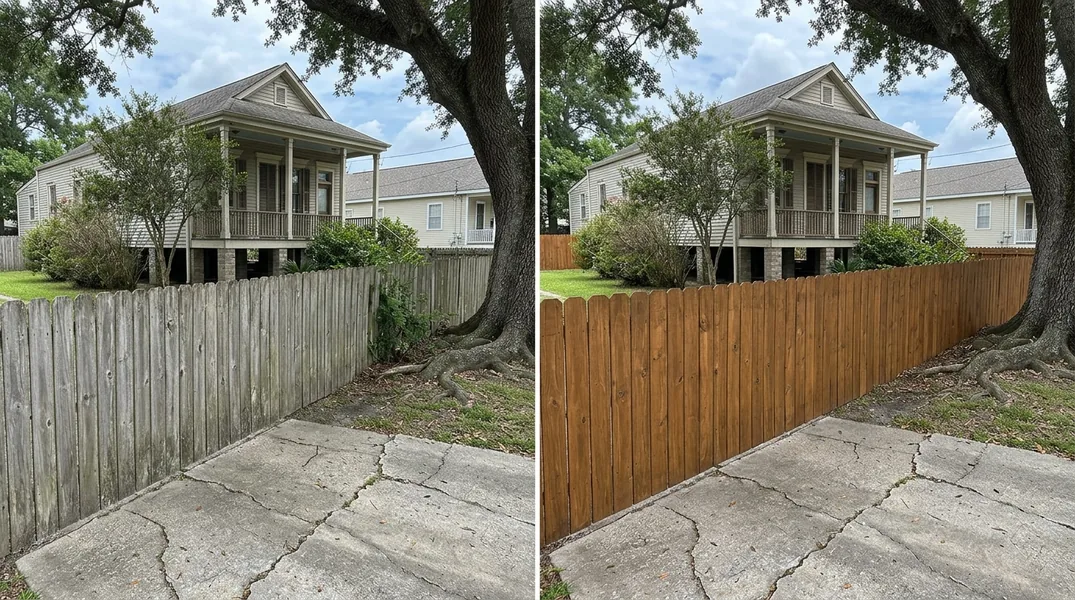
Understanding Your Fence Line: The First Step
Before you break ground on any fencing project, understanding your property line is absolutely essential. Many homeowners in New Orleans assume they know exactly where their fence should go, only to discover later that they've encroached on a neighbor's property or failed to respect local easements. This common mistake can lead to expensive removals, disputes, and legal complications that could have been easily avoided with proper planning.
Your property deed contains the official boundary information, but it's often written in legal language that isn't easy to interpret. The best approach is to hire a professional surveyor who can physically mark your property lines with stakes or paint. This small investment, typically a few hundred dollars, can save you thousands in potential disputes and corrections. Once your lines are clearly established, you'll have the confidence to move forward with your Wood & Privacy Fence Installation or other fencing project knowing exactly where your fence will sit.
Vinyl vs. Wood Fence: Which Material Is Right for Your Home?
When it comes to choosing the Vinyl & PVC Fence Installation versus traditional wood, homeowners face a classic decision that hinges on personal preference, budget, and lifestyle. Wood fencing has been a staple in New Orleans for generations, offering a warm, natural aesthetic that many homeowners love. Wood provides that classic Southern charm and can be customized with various stains and finishes. However, the Gulf Coast climate presents unique challenges for wood fences, including humidity, salt air, and frequent rainfall that can accelerate rot, warping, and insect damage.
Vinyl, on the other hand, offers durability and ease of maintenance that appeals to busy homeowners. Vinyl doesn't rot, won't splinter, and resists fading from the intense Louisiana sun. It requires no painting or staining, just occasional cleaning with soap and water. The trade-off is that vinyl may lack the authentic character of wood, and while it's become increasingly popular, some homeowners still prefer the natural look of traditional materials. Both options can provide excellent privacy and security for your property, so the choice ultimately depends on your priorities regarding maintenance, aesthetics, and long-term durability.
Best Low Maintenance Fence Materials for Louisiana's Climate
Louisiana's subtropical climate, with its high humidity, intense heat, and occasional hurricanes, demands fencing materials that can withstand these conditions without constant upkeep. If low maintenance is your priority, vinyl and aluminum are your best bets. Vinyl fencing is engineered to resist moisture damage, UV rays, and temperature fluctuations that plague traditional wood in this region. Unlike wood, vinyl won't develop mold or mildew as easily, and it won't require annual sealing or staining to maintain its appearance. For homeowners who want to spend their weekends enjoying their property rather than maintaining it, vinyl represents the most practical choice.
Aluminum & Ornamental Iron Fencing is another excellent low-maintenance option that offers elegance without the burden of constant care. Aluminum is lightweight, won't rust like traditional iron, and requires minimal upkeep beyond occasional cleaning. If you're drawn to the classic ornamental look but worried about maintenance, modern aluminum alternatives deliver that aesthetic with genuine durability. Both vinyl and aluminum are significantly more forgiving than wood when it comes to Louisiana's challenging weather patterns, making them ideal for homeowners seeking a set-it-and-forget-it solution.
Vinyl vs. Wood Fence Cost: Budgeting for Your Project
When comparing pricing between vinyl and wood fencing, the initial investment tells only part of the story. Wood fencing typically has a lower upfront cost, which is why many homeowners choose it when they're working with a tight budget. A basic wood privacy fence might cost less per linear foot than vinyl, making it an attractive option for large properties. However, this lower initial cost can be misleading because wood requires ongoing maintenance that adds up significantly over time. Annual staining or sealing, repairs from rot or insect damage, and eventual replacement of damaged boards all contribute to the true cost of ownership.
Vinyl fencing carries a higher initial investment, sometimes 20 to 40 percent more than wood, but this upfront cost is offset by dramatically lower maintenance expenses over the fence's lifetime. You won't spend money on sealers, stains, repairs, or premature replacement due to weather damage. Over a 20-year period, vinyl often proves more economical than wood when you factor in all the hidden costs of upkeep. To understand exactly what your project will cost and which material offers the best value for your specific situation, reach out to New Orleans Fence Company at (504) 285-7187 for a free estimate. Our team can break down the real costs and help you make an informed decision.
Local Regulations and Permits You Need to Know
Before any fence installation begins, you need to understand the local building codes and permit requirements in your area. New Orleans has specific regulations governing fence height, setback requirements, and materials in certain neighborhoods and historic districts. Many homeowners are surprised to learn that their ideal fence design violates local ordinances, which can result in costly removal or modification after installation. Some areas have height restrictions, typically limiting privacy fences to four to six feet, while others may have requirements about spacing between pickets or the types of materials allowed.
Historic districts in New Orleans have particularly strict guidelines, often requiring specific fence styles or materials that complement the neighborhood's character. Before you finalize your fence design, check with your local city or parish office to understand what's permitted on your property. Many contractors, including New Orleans Fence Company, are familiar with local requirements and can guide you through the process. Getting the proper permits might seem like an extra step, but it protects your investment and ensures your fence will pass inspection. When you call for your free estimate, our team can discuss local regulations relevant to your property and help you navigate the permitting process smoothly.
Working with a Professional Fence Installer Near Me: Why It Matters
Installing a fence might seem like a DIY project, but working with experienced professionals ensures your fence is built correctly, meets local codes, and will last for years to come. A professional installer understands proper post installation, drainage considerations, and the specific challenges that Louisiana's soil and climate present. Poor installation can result in sagging fences, leaning posts, and premature failure, costing you far more in repairs than you'd save by doing it yourself. Professional installers also have the right equipment, know how to handle unexpected site conditions, and carry liability insurance to protect you and your property.
New Orleans Fence Company brings local expertise and decades of experience installing fences throughout the region. Our team understands how to work with the area's unique soil conditions, manages the challenges of wet weather and seasonal flooding, and knows the local permitting process inside and out. Whether you're interested in Wood & Privacy Fence Installation, vinyl options, or Chain Link Fence Installation, our professionals will ensure your project is completed to the highest standard. Contact us today at (504) 285-7187 or visit our website to schedule your free estimate and take the first step toward your dream fence.
Looking for a professional fence contractor in New Orleans? New Orleans Fence Company responds fast for all your fence needs.
Get a Free Quote